
The Importance of Rest on The Neurodivergent Mind
Neurotypical people and Neurodivergent people are both capable of great things. Some can work at similar paces and both groups carry individuals with extremely high intelligence. However, how the work is carried out and the needs of their systems are in entirely different worlds. The Neurodivergent (ND) nervous system is magical, but extremely sensitive to sensory information and is always running on high power. Therefore, rest is crucial to the self-care of neurodivergent individuals. In this article, we’ll go into an explanation of how the Neurodivergent mind works and how to support them.
Facts About The Neurodivergent Mind
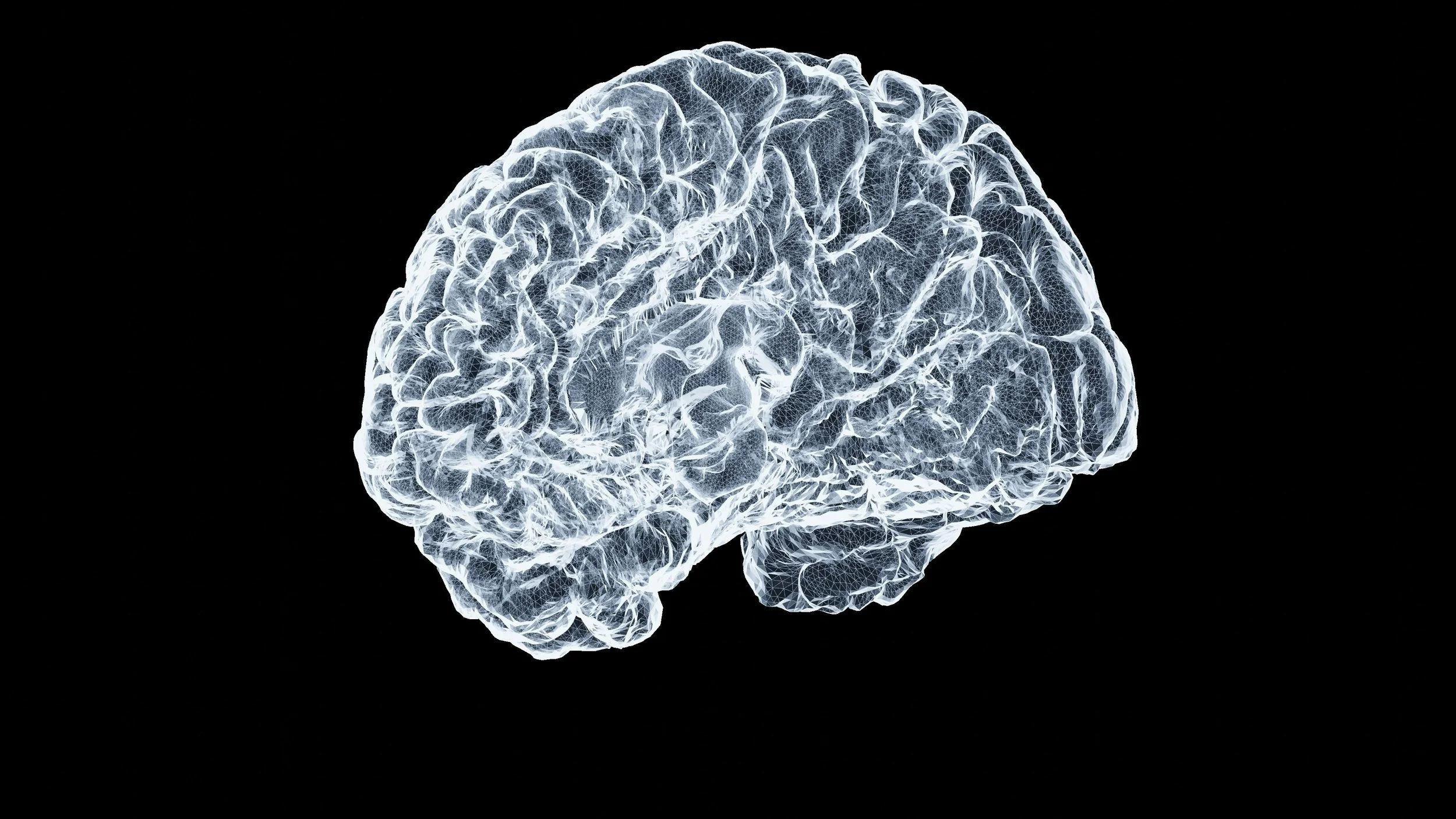
The Neurodivergent Mind is, on average, a lot more sensitive than the Neurotypical one. A lot of inputs are magnified to feel a lot more intense, resulting in the ND person feeling things a lot more deeply than others might. Keep in mind, while the threshold for each individual neurodivergent person is different, this section is giving a general overview on the overall picture. It is up to the readers and the individual’s loved ones to tailor support to themselves or ND people. Here are some snippets of information as to how a general depiction of a neurodivergent mind presents itself:
Sensory Input:
While most Neurotypical (NT) people can easily manage and even tune out sensory information that may not be relevant, ND people interpret information in a heightened way and may suffer over or under stimulation. This can overwhelm or disorient them. However, the reverse is true; when their systems are in need of grounding, ND people can use a craved texture, sight, smell, or any of the senses to ground their sensitive systems.
Social Interactions:
While most NT people act on unspoken rules of society and feel at home with expectations and customs, ND people may struggle with social cues, reading between the lines, and living by the same unspoken rules. ND people can have different views from the norm and can either develop strong mastery over the skills they agree with or reject certain conventions outright.
Focus and Attention:
Some ND people may have problems focusing and paying attention to things people may have no problem taking in. However, on the positive, ND people have the ability to focus intensely on interests and anything that speaks to them. This can allow them to potentially become masters of anything they choose.
Learning Styles:
NT people can thrive in traditional academia and self-taught environments. ND people sometimes need alternative learning styles that are individually tied to them.
Executive Function:
NT people have ease in starting and shifting tasks, staying consistent, and being able to keep productive with their day to day. ND people can suffer from executive dysfunction that makes this more difficult.
Spoon Theory

Spoon theory is a theory used to explain the decision making capacity of the brain. The reason that it is especially relevant to neurodiversity is because since the ND system runs hotter than the NT system (on average), decisions cost ND people more spoons than NT people. For example, a Neurotypical person’s morning routine: Getting up, getting dressed, brushing their teeth, showering, and sitting down to work, may take few or no spoons at all. However, a neurodivergent person may use a significant amount (say, half their spoons) of spoons doing the same simple actions. This is important to understanding how to support Neurodivergent individuals and making routines that tailor to individual spoon usage.
Overstimulation
Overstimulation is the result of sensory inputs exceeding the brain’s processing ability, stunting appropriate responses to stimuli. Scientifically, this is because the parts of the brain involved with sensory processing include the sensory cortex, thalamus, and amygdala. When the thalamus specifically gets overwhelmed, the amygdala contributes towards exaggerated or inappropriate responses. This can include:
Covering ears and shaking in response to overwhelming sounds
Blackout meltdowns
Increased heart rate
Numbness or tiredness
Enhanced Fight or Flight
Many more
Rest and Why It’s Important
Rest looks different for everyone, but one thing that’s for sure is that rest is mandatory for the ND mind. Neurodivergent minds can accomplish great things through out of the box creativity and acting on unique perspectives. However, more power means more recovery and if ND minds remain overstimulated, they cannot contribute as well as they could. Below are some strategies ND people can use to manage overstimulation:
Power Naps:
Not only is sleep physiologically restorative, but it is also mentally restorative. Sleep will help the brain work off stimuli from an aggressive environment and cognitive activity, along with emotional regulation, are noted to have a boost upon waking.
Showers:
Showers can help by providing a controlled sensory environment that neurodivergent people can exert control over. The feeling of water can also soothe muscles and give ND people a chance to reset their senses and relax.
Quiet Room Breaks
Having a personal sanctuary or room that can block off all sensory issues allows the ND person to calm their senses down. These sensory friendly environments can also help children and adults deescalate stress. Our Tinker blog has a piece dedicated to building your own sensory sanctuary here.
Manage Understimulation
Yes, understimulation is a thing. This is the result of ND people being placed in an environment that fails to engage their brain in meaningful or comforting ways to them. Not treating understimulation can result in feelings of dissatisfaction and lack of productivity. This can be solved by appealing to sensory preferences, making sure ND people have activities that they find engaging, creative ideas or creative problems to solve, and making sure they are put into tasks that play to their strengths.
Supporting Yourself or Your ND Loved Ones

Every Neurodivergent person is different. In order to get a clear picture on how to support them, ask them about their needs in a comforting and non-judgmental way. This will make them feel safe enough to be willing to create a plan with their NT network. Caregivers can also use spoon theory to map a routine that will allow them to function without burning too much of their brain power. In a world where this info is now starting to gain more prevalence, it can be hard to transition from the stigmatized view of neurodivergence and expectation for them to conform that we have grown up with. However, it is important to validate these differences and create a world where everyone can feel comfortable being themselves.
